





What Is a Silver IRA?
A silver IRA is a self-directed IRA that holds IRS-approved physical silver bullion, offering the same tax advantages as a traditional IRA while adding commodity-based inflation protection.
A self-directed precious metals IRA holds physical silver alongside traditional assets, providing commodity exposure that bonds and equities cannot replicate. Under IRC Section 408(m)(3)(B), silver held in an IRA must meet a minimum fineness of .999. IRC Section 408(m)(3) permits silver bullion meeting .999 fineness — and Silver Eagles by statutory exemption — to be held inside self-directed IRAs.
Key differences from a gold IRA: silver’s ~$32/oz price (vs. gold’s ~$2,900) lowers the entry barrier but requires 90x more physical storage space per dollar invested, making custodian storage quality more critical. Silver also has stronger industrial demand (solar panels, electronics, medical devices), meaning its price is influenced by both investment and manufacturing cycles.
IRS Rules for Buying Silver in an IRA
The IRS permits silver in IRAs under IRC §408(m)(3) only if it meets .999 fineness, is purchased through a qualified custodian, and stored at an approved depository — home storage is explicitly prohibited.
Prohibited Transactions & Disqualified Persons
IRC §4975 defines prohibited transactions — actions that can disqualify your entire IRA. You cannot buy silver from, sell to, or use IRA assets for the benefit of disqualified persons (yourself, your spouse, ancestors, lineal descendants, or entities you control). Violating this rule triggers full IRA distribution plus a 10% early withdrawal penalty if under 59½.
Home Storage IRA Prohibition
Collectibles Rule: IRC §408(m)(2)
Under the collectibles rule, any metal that does not meet the .999 fineness threshold or is classified as a numismatic/collectible coin is treated as a taxable distribution if purchased with IRA funds. This includes pre-1965 “junk silver” (.900 fine), commemorative coins, and sterling silver (.925).
Annual Contribution Limits (2026)
A Silver IRA accepts the standard annual IRA contribution limits — $7,000 in 2026, or $8,000 with the age-50 catch-up — and accepts unlimited rollover dollars from existing 401(k)s via trustee-to-trustee transfer. Most investors open silver IRAs primarily through rollovers, so the annual limit rarely constrains funding.
How to Buy Silver in an IRA: 5 Steps
A Silver IRA accepts the standard annual IRA contribution limits — $7,000 in 2026, or $8,000 with the age-50 catch-up — and accepts unlimited rollover dollars from existing 401(k)s. Follow these five steps to open your account:
Step 1: Choose a Precious Metals IRA Company
Select a company that specializes in silver IRAs. Look for transparent pricing, a strong BBB rating, and experience with silver specifically. Augusta Precious Metals and Goldco both offer silver IRA services with dedicated silver specialists.
Step 2: Open a Self-Directed IRA
Your chosen company will help you open a self-directed IRA with an approved custodian (e.g., Equity Trust, GoldStar Trust). This requires filling out an application and providing identification. The account setup typically takes 1-3 business days.
Step 3: Fund Your Account
You can fund via: (a) direct rollover (trustee-to-trustee transfer — no tax withholding, no time limit), (b) indirect rollover (funds sent to you first — must be redeposited within the 60-day rollover rule or face taxes + 10% penalty), or (c) new contribution (subject to annual IRA limits: $7,000 for 2026, $8,000 if 50+ catch-up). Direct rollovers are strongly recommended — they eliminate the 60-day deadline risk and avoid the mandatory 20% federal tax withholding that applies to indirect rollovers from 401(k) plans.
Step 4: Select Your Silver Products
Choose from IRS-approved silver options. Popular choices for silver IRAs include:
- American Silver Eagle (1 oz) - Most popular; exempt from .999 rule
- Canadian Silver Maple Leaf (1 oz, .9999 pure)
- Austrian Silver Philharmonic (1 oz, .999 pure)
- Silver bars (10 oz, 100 oz) from approved refiners like Engelhard, Johnson Matthey, or SilverTowne
Step 5: Arrange Depository Storage
Your silver must be stored in an IRS-approved depository such as Delaware Depository or Brink's. Note: silver storage fees may be higher than gold due to the volume required. Expect $100-$300/year depending on segregated vs. commingled storage. You cannot store IRA silver at home - this triggers a taxable distribution plus a 10% penalty if under 59½.
Request Augusta's 2026 IRS Compliance Kit — Free PDF
Covers IRA-approved silver products, rollover checklist, fee schedules, and depository options. No obligation.
Get Free Silver IRA Kit →Silver IRA Fees: What to Expect
A Silver IRA typically costs investors $50–$100 at setup, $75–$300 annually for custodianship, and $100–$200 annually for storage — totaling $225–$600/year before spot price premiums.
| Fee Type | Typical Range | Frequency | Notes |
|---|---|---|---|
| Account Setup | $50–$150 | One-time | Often waived for investments >$25,000 |
| Annual Custodian | $75–$300 | Annual | Covers IRS reporting & administration |
| Segregated Storage | $150–$300 | Annual | Your silver stored separately |
| Commingled Storage | $100–$200 | Annual | Pooled with identical items; lower cost |
| Spot Price Premium | $1–$6/oz | Per purchase | Eagles: $3–6; bars/rounds: $1–3 over spot |
| Wire Transfer | $25–$50 | Per transfer | For funding via bank wire |
Why Silver Storage Costs More Than Gold
Because $50,000 worth of silver weighs roughly 100+ pounds (vs. under 1 pound for gold), storage costs scale with volume. Some depositories charge a percentage of holdings (0.5%–1%) rather than a flat fee, which adds up with larger silver positions. Allocated storage (your specific bars/coins stored separately) costs more but ensures you receive the exact items you purchased upon distribution.
Dealer Premiums & Bid-Ask Spread
The bid-ask spread represents the difference between what a dealer pays for silver (bid) and what they charge you (ask). American Silver Eagles carry premiums of $3–$6 above spot price per ounce (~10–17% at $32 spot), while generic silver bars may have premiums of only $1–$3 (~3–9%). Buying larger bars (100 oz) reduces per-ounce premiums significantly.
Total First-Year Cost Example
For a $50,000 silver IRA: setup ($100) + annual custodian ($150) + storage ($200) + dealer premiums (~8–15%) = roughly $4,450–$7,950 in first-year costs. Ongoing annual costs drop to approximately $350/year plus any new purchase premiums.

IRS-Approved Silver Products for Your IRA
Seven silver products meet IRS fineness and sourcing requirements; numismatic coins and sub-.999 junk silver are disqualified under the collectibles rule.
IRS-approved silver products for IRA inclusion must meet fineness and sourcing standards under IRC §408(m)(3)(B):
| Silver Product | Purity | IRA Eligible | Notes |
|---|---|---|---|
| American Silver Eagle | .9993 | ✅ Yes | Statutory exemption under IRC §408(m)(3)(A) |
| Canadian Silver Maple Leaf | .9999 | ✅ Yes | Most widely held foreign bullion coin |
| Austrian Silver Philharmonic | .999 | ✅ Yes | EU legal tender; meets minimum fineness |
| LBMA-Approved Silver Bars | .999 min | ✅ Yes | Must be from NYMEX/COMEX-approved refiner |
| Silver Rounds (private mint) | .999 | ⚠️ Case-by-case | Must document refiner approval |
| Proof Coins (govt. mint) | .999+ | ✅ Yes* | *Must be uncirculated, in original mint packaging |
| Pre-1965 U.S. Junk Silver | ~.900 | ❌ No | Below .999 fineness threshold |
| Numismatic / Collectible Coins | Varies | ❌ No | Classified as collectibles under IRC §408(m)(2) |
Approved Silver Bars & Refiners
Silver bars must be .999 fine and manufactured by a LBMA-approved or NYMEX/COMEX-approved refiner. Accepted refiners include Engelhard, Johnson Matthey, SilverTowne, Sunshine Minting, PAMP Suisse, and Royal Canadian Mint. Bars are available in 1 oz, 5 oz, 10 oz, 100 oz, and 1,000 oz sizes. Larger bars carry lower spot price premiums per ounce, reducing the bid-ask spread on your investment.
Choosing a Self-Directed IRA Custodian for Silver
You need a self-directed IRA custodian that explicitly permits silver and other precious metals. Not all IRA custodians handle physical metals - major brokerages like Fidelity and Schwab do not offer physical silver storage within IRAs.
Custodian vs. Dealer: Key Distinction
The custodian holds and administers your IRA. The dealer sells you the silver. They are separate entities. Top silver IRA companies like Augusta Precious Metals coordinate between both parties so you don't manage the logistics yourself.
Recommended Silver IRA Custodians
- Equity Trust Company - One of the largest self-directed IRA custodians; handles silver, gold, platinum, and palladium
- GoldStar Trust - Specializes exclusively in precious metals IRAs
- New Direction Trust Company - Offers competitive flat-fee pricing
- The Entrust Group - Broad alternative asset experience including metals
Questions to Ask Before Choosing
- Do you charge flat fees or percentage-based fees? (Flat is usually better for larger silver holdings)
- Which depositories do you work with for silver storage?
- What is your experience with silver-specific IRAs?
- How do you handle Required Minimum Distributions (RMDs) - in-kind silver distribution or liquidation?
- Do you provide online account access and quarterly statements?
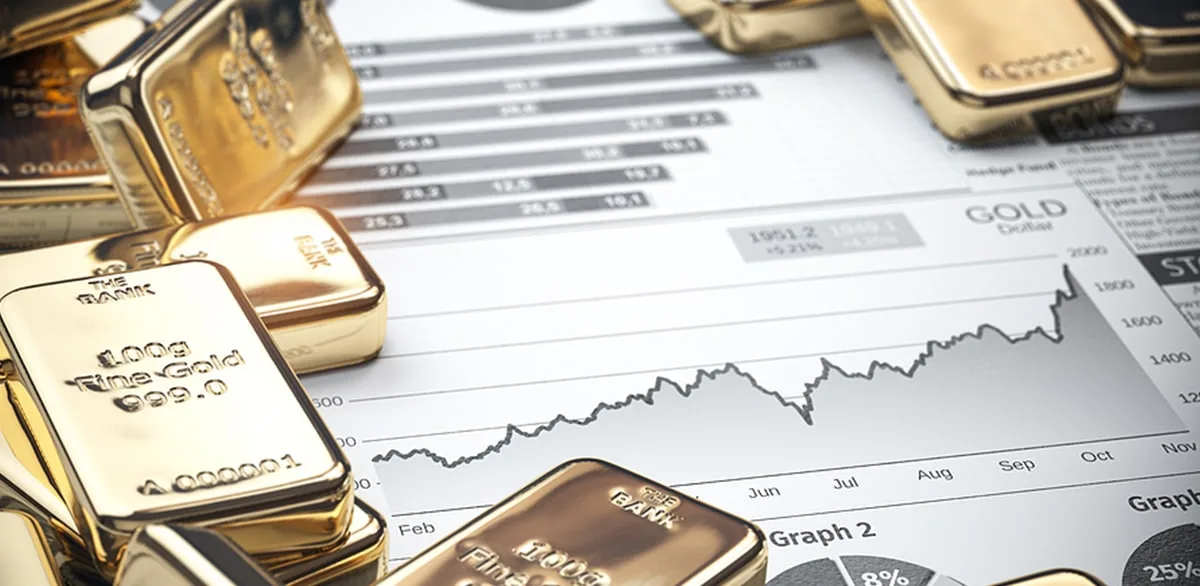
Silver IRA Storage: Rules, Costs, and Options
IRS rules require that IRA silver be stored in an approved depository - not at your home, not in a safe deposit box, and not in a home safe. Violating this rule triggers immediate tax consequences.
Why Storage Matters More for Silver
$100,000 in silver weighs approximately 200+ pounds and takes up significant vault space. By contrast, $100,000 in gold weighs about 1.1 pounds. This physical reality means silver storage logistics and costs differ from gold. Some depositories charge by weight or volume rather than flat fees, which can increase costs for silver holders.
Top IRS-Approved Depositories for Silver
- Delaware Depository (Wilmington, DE) - Most popular choice; offers both segregated and commingled storage; insured through Lloyd's of London
- Brink's Global Services - Multiple U.S. vault locations; strong reputation for security
- International Depository Services (IDS) - Facilities in Delaware and Texas; competitive rates for large silver holdings
Segregated vs. Commingled Storage
Segregated: Your specific silver coins/bars stored separately. You receive the exact items you purchased upon distribution. Costs more but provides certainty. Commingled: Your silver pooled with identical items owned by others. You receive the same type and quantity but not necessarily the same pieces. Costs less. For silver, commingled storage is common because the volume makes segregated storage expensive.
The "Home Storage IRA" Warning
Some promoters advertise "home storage IRAs" or "checkbook IRAs" for silver. The IRS has challenged these arrangements, and the Tax Court ruled against home storage in McNulty v. Commissioner (2021). Storing IRA silver at home can result in the entire IRA balance being treated as a distribution, triggering income tax plus a 10% early withdrawal penalty if you're under 59½.
Traditional vs. Roth Silver IRA
A traditional silver IRA provides a tax deduction now with taxable withdrawals later; a Roth silver IRA uses after-tax dollars but allows tax-free withdrawals — the right choice depends on your current vs. expected future tax rate.
| Feature | Traditional Silver IRA | Roth Silver IRA |
|---|---|---|
| Contributions | Tax-deductible | After-tax (no deduction) |
| Growth | Tax-deferred | Tax-free |
| Withdrawals | Taxed as ordinary income | Tax-free (qualified) |
| RMDs | Required at age 73 | None during owner’s lifetime |
| In-Kind Distribution | Yes (taxable at FMV) | Yes (tax-free if qualified) |
| Best For | Higher current tax bracket | Lower current tax bracket |
In-kind distribution means you can receive your actual physical silver coins or bars instead of cash when you take a distribution. With a Traditional IRA, you’ll owe income tax on the fair market value; with a Roth, qualified distributions are completely tax-free.
Required Minimum Distributions (RMDs): Traditional silver IRA holders must begin taking distributions at age 73. Since silver is illiquid, your custodian will either sell enough silver to meet the RMD or ship you physical metal as an in-kind distribution. Roth silver IRAs have no RMD requirement during the owner’s lifetime, making them ideal for long-term precious metals holdings.
Silver IRA vs. Other Ways to Invest in Silver
A physical silver IRA is not the only way to gain silver exposure in your retirement portfolio. Here is how it compares to alternatives:
Silver IRA vs. Silver ETFs (SLV, SIVR)
Silver ETFs like iShares Silver Trust (SLV) track the silver price without physical ownership. Pros: lower fees (~0.50% expense ratio), easy to buy/sell, no storage hassle. Cons: you don't own physical metal, counterparty risk exists, and ETFs can trade at premiums or discounts to net asset value. A physical silver IRA gives you direct ownership of tangible metal.
Silver IRA vs. Silver Mining Stocks
Mining stocks (e.g., First Majestic Silver, Pan American Silver) offer leveraged exposure to silver prices. When silver rises 10%, miners might rise 20-30%. But they also carry company-specific risks: management quality, operational costs, regulatory issues, and mine depletion. A silver IRA is pure metal exposure without corporate risk.
Silver IRA vs. Buying Silver Outside an IRA
You can buy physical silver without an IRA - through dealers, coin shops, or online. The advantage of an IRA structure: tax-deferred growth (Traditional IRA) or tax-free growth (Roth IRA). If silver doubles in value, you owe no capital gains tax until distribution (Traditional) or potentially never (Roth). Outside an IRA, silver is taxed as a collectible at up to 28% capital gains rate - higher than the standard 15-20% rate for stocks.
Tax Treatment Summary
- Traditional Silver IRA: Tax-deductible contributions, tax-deferred growth, taxed as ordinary income upon withdrawal
- Roth Silver IRA: After-tax contributions, tax-free growth, tax-free qualified distributions after 59½
- Physical silver outside IRA: 28% collectibles capital gains tax rate on profits
- Silver ETFs in regular IRA: Same tax treatment as Traditional/Roth, but no physical ownership
Risks of Buying Silver in an IRA
Silver IRAs carry four primary risks: price volatility (silver dropped 47% in 2011), ongoing fees that erode returns, illiquidity compared to ETFs, and prohibited transaction rules that can disqualify your entire IRA.
1. Price Volatility
Silver is more volatile than gold. While silver gained 29% in 2024, it dropped 47% in 2011 (from ~$49 to ~$26) and took over a decade to recover. Silver’s industrial demand component (over 50% of total demand) makes it more sensitive to economic cycles than gold.
2. Fee Erosion
Annual custodian + storage fees of $250–$600 represent a meaningful drag on smaller accounts. On a $25,000 silver IRA, $400/year in fees equals a 1.6% annual cost before silver even appreciates. Compare this to a silver ETF’s ~0.50% expense ratio.
3. Illiquidity
Selling physical silver from an IRA takes 3–7 business days (vs. seconds for an ETF). You’re subject to dealer buyback prices, which may be below spot. During market crashes, physical silver can trade at significant discounts to spot price.
4. Prohibited Transaction Risk
Accidentally violating IRS prohibited transaction rules — such as storing silver at home, buying from a disqualified person, or using IRA silver as personal collateral — can disqualify your entire IRA balance, triggering full income tax plus penalties.
What Does "IRA-Approved Silver" Mean?
IRA-approved silver is physical silver bullion that meets IRS fineness standards (≥.999 pure), is produced by an LBMA/NYMEX-approved refiner or sovereign mint, and is held by a qualified custodian in an approved depository.
The phrase “IRA-approved silver” refers specifically to physical silver that satisfies all three IRS requirements under IRC §408(m)(3)(B): minimum .999 purity, manufacture by an accredited refiner or national mint, and custody by a qualified IRA trustee at an IRS-approved depository. American Silver Eagles (ASE) receive a statutory exemption under IRC §408(m)(3)(A) despite their .9993 purity — they are explicitly named in the tax code as eligible bullion coins.
IRA-Approved vs. Non-IRA-Approved Silver
| Silver Type | IRA-Eligible? | Reason |
|---|---|---|
| American Silver Eagle (ASE) | ✅ Yes | Named exemption under IRC §408(m)(3)(A) |
| Canadian Silver Maple Leaf (SME) | ✅ Yes | .9999 fine; sovereign mint production |
| PAMP Suisse / Valcambi / Sunshine bars | ✅ Yes | LBMA-approved refiners; .999 minimum |
| Junk Silver (pre-1965 U.S. coins) | ❌ No | Only .900 fine — below the .999 threshold |
| Numismatic / collectible coins | ❌ No | Classified as collectibles under IRC §408(m)(2) |
When a dealer describes silver as “IRA-approved,” it means that specific product satisfies purity and sourcing requirements and can be purchased with IRA funds without triggering a prohibited-transaction penalty. Always confirm the refiner appears on the NYMEX/COMEX approved refiner list before buying bars for your IRA.
Can I Buy Silver in a Fidelity, Schwab, or Vanguard IRA?
Mainstream brokerages like Fidelity, Schwab, and Vanguard do not custody physical silver in IRAs. Only a self-directed IRA custodian (Equity Trust, STRATA Trust, Kingdom Trust) can hold physical bullion inside an IRA.
Fidelity, Charles Schwab, and Vanguard are excellent custodians for stocks, bonds, and ETFs — but their IRA platforms do not support physical precious metals custody. If you open a “Fidelity silver IRA,” the closest you can get is purchasing the iShares Silver Trust (SLV) or the Aberdeen Silver ETF Trust (SIVR) inside a standard Fidelity IRA. You would not own physical silver; you would own shares in a trust that holds silver on your behalf.
Physical Silver IRA vs. Silver ETF in a Brokerage IRA
| Feature | Physical Silver IRA | SLV in Fidelity IRA |
|---|---|---|
| Physical ownership | ✅ Yes | ❌ No (trust shares) |
| In-kind distribution | ✅ Yes (physical coins) | ❌ Cash only |
| Annual fees | $225–$600/yr | ~0.50% expense ratio |
| Counterparty risk | Low (segregated vault) | ETF trust default risk |
| Liquidity | 3–7 business days | Instant (market hours) |
If you want physical silver inside a tax-advantaged account, you must open a self-directed IRA with a custodian specifically licensed for alternative assets. Equity Trust Company, STRATA Trust Company, and Kingdom Trust are among the most widely used custodians for precious metals IRAs. These custodians partner with IRA companies like Augusta Precious Metals and Goldco, who coordinate the entire rollover eligibility and purchase process.
Best Companies for Opening a Silver IRA
Not all precious metals IRA companies offer the same level of silver expertise. Here are the top-rated options for silver IRA investors:
Augusta Precious Metals - Best Overall for Silver IRAs
Augusta holds an A+ BBB rating with thousands of 5-star reviews. They offer a dedicated silver IRA program with transparent pricing on American Silver Eagles, Silver Maple Leafs, and silver bars. Their free one-on-one web conference covers silver market outlook, IRS rules, and portfolio allocation - with zero obligation to purchase. Augusta's fee structure is straightforward: no hidden charges, and they clearly disclose custodian fees, storage costs, and product premiums before you commit.
What Sets Augusta Apart for Silver Investors
- Education-first approach with silver-specific market analysis
- Transparent pricing - premiums disclosed upfront for every silver product
- Handles all coordination between custodian, depository, and you
- Streamlined process: most silver IRAs fully set up within 2-3 weeks
- Lifetime customer support for account holders
Getting Started
Request Augusta's free silver IRA information kit to review current silver pricing, fee schedules, and IRS requirements before making any commitment. There is no obligation and no high-pressure sales tactics.
- IRS Publication 590-B: Distributions from IRAs
- IRC Section 408(m)(3) – Collectibles definition and bullion exemption
- IRC Section 4975 – Prohibited transactions and disqualified persons
- IRS Revenue Ruling 2020-6 (IRA custodian requirements)
- Silver Institute World Silver Survey 2025
- NYMEX/COMEX Approved Refiners List (CME Group, 2026)
Last reviewed: April 24, 2026 by Mark Sullivan, CFP® | Sources: IRS Pub 590-A, IRS Pub 590-B, IRC §408 (Cornell)